
Hire the Best Storyboard Studio in India
◎Break down Complex Concepts into small fragments.
◎Convey the right message to your Audience
◎Leverage Movie Storyboarding to visualize scenes
◎We edit multiple storyboards simultaneously


Storyboard

We’re Upto Good Things


Artists
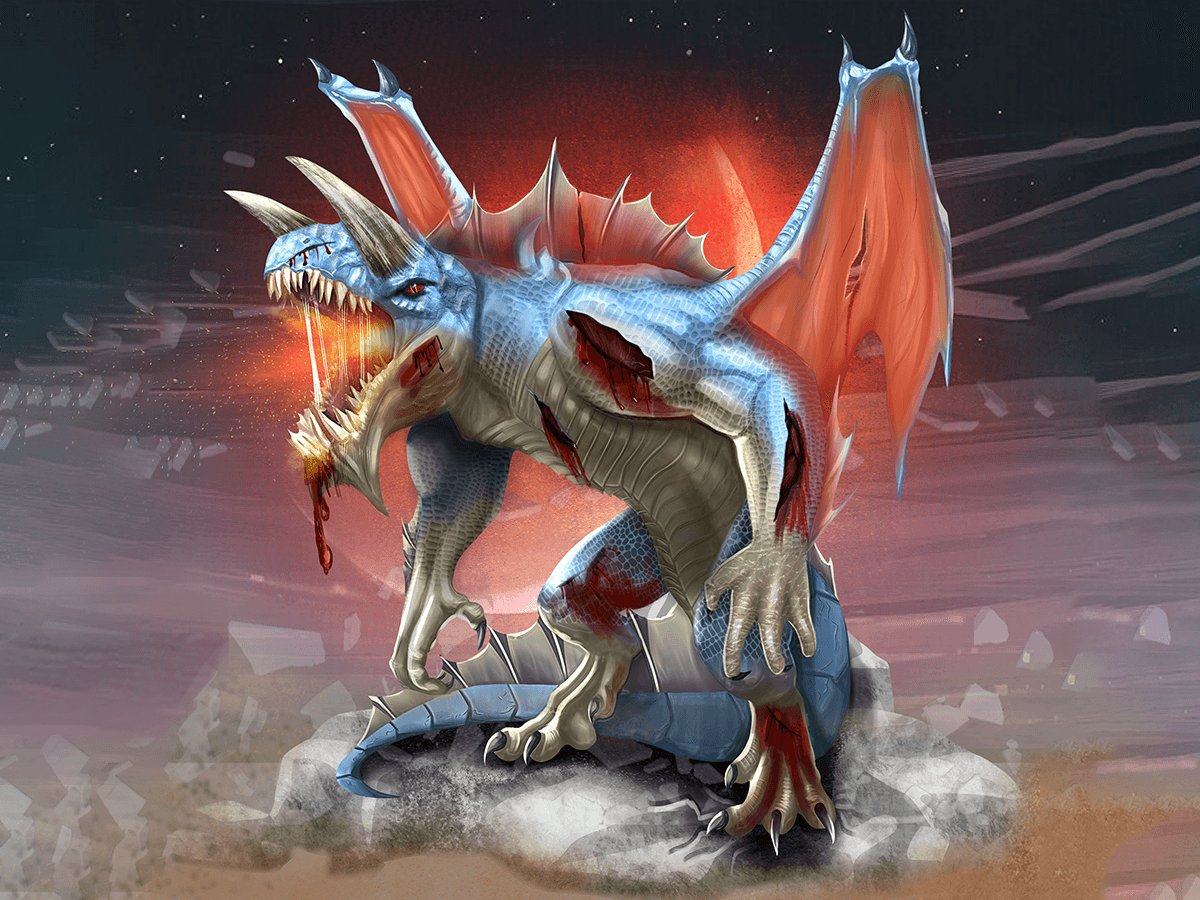
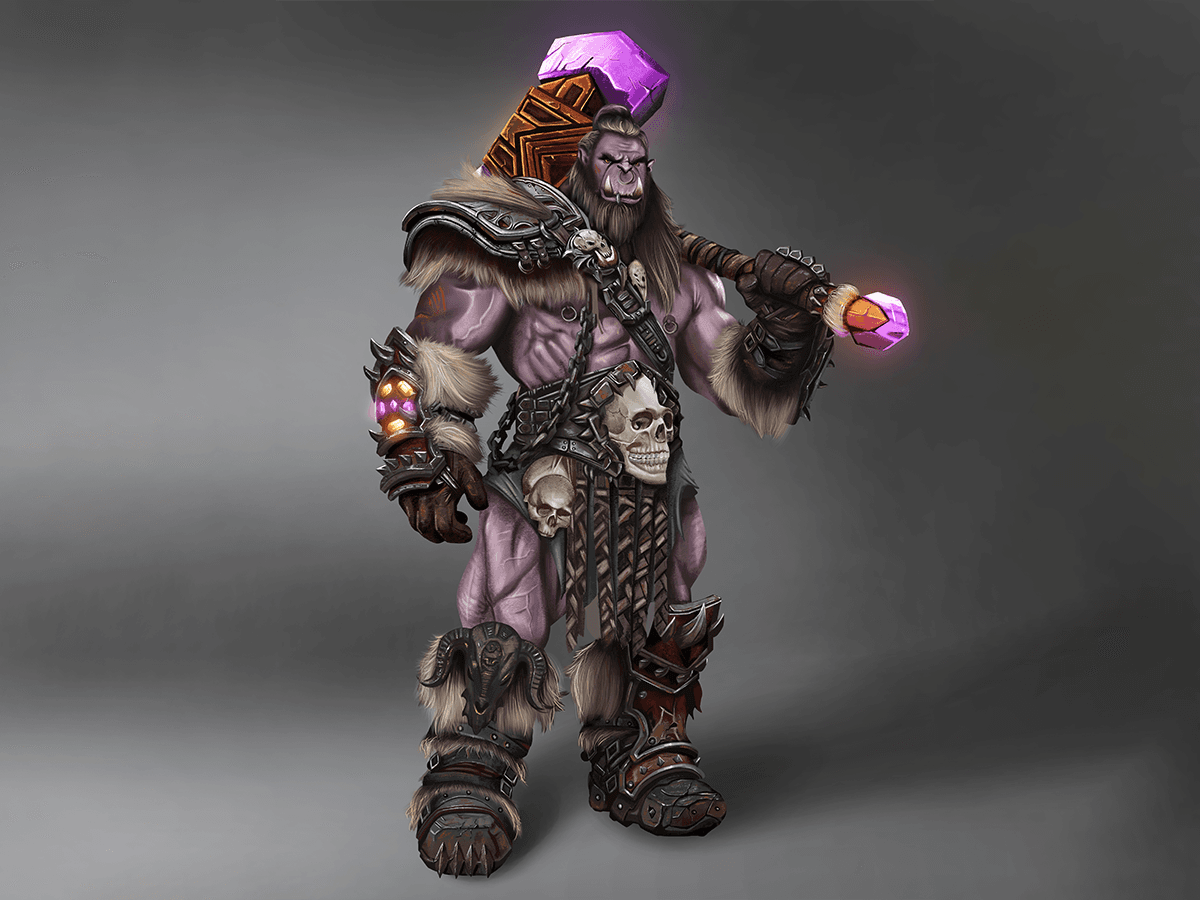
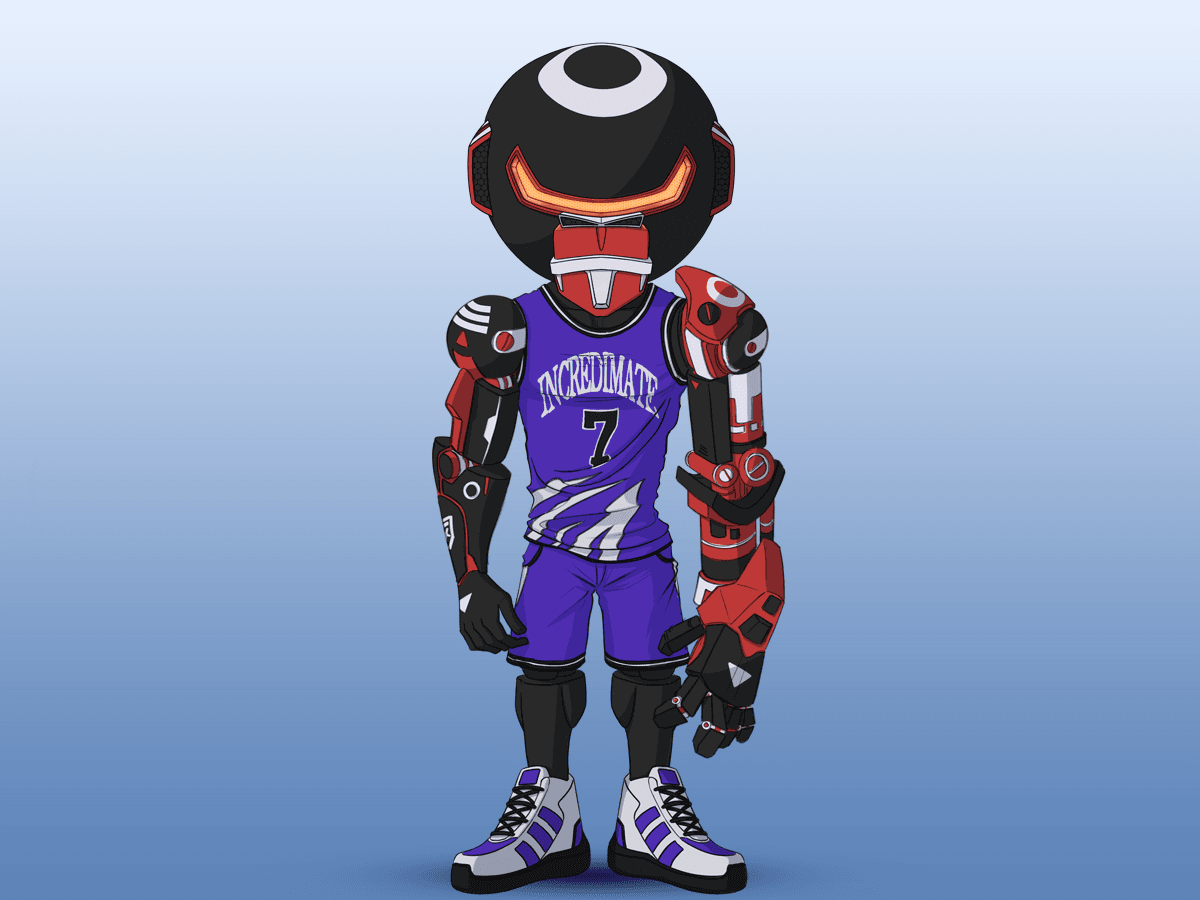
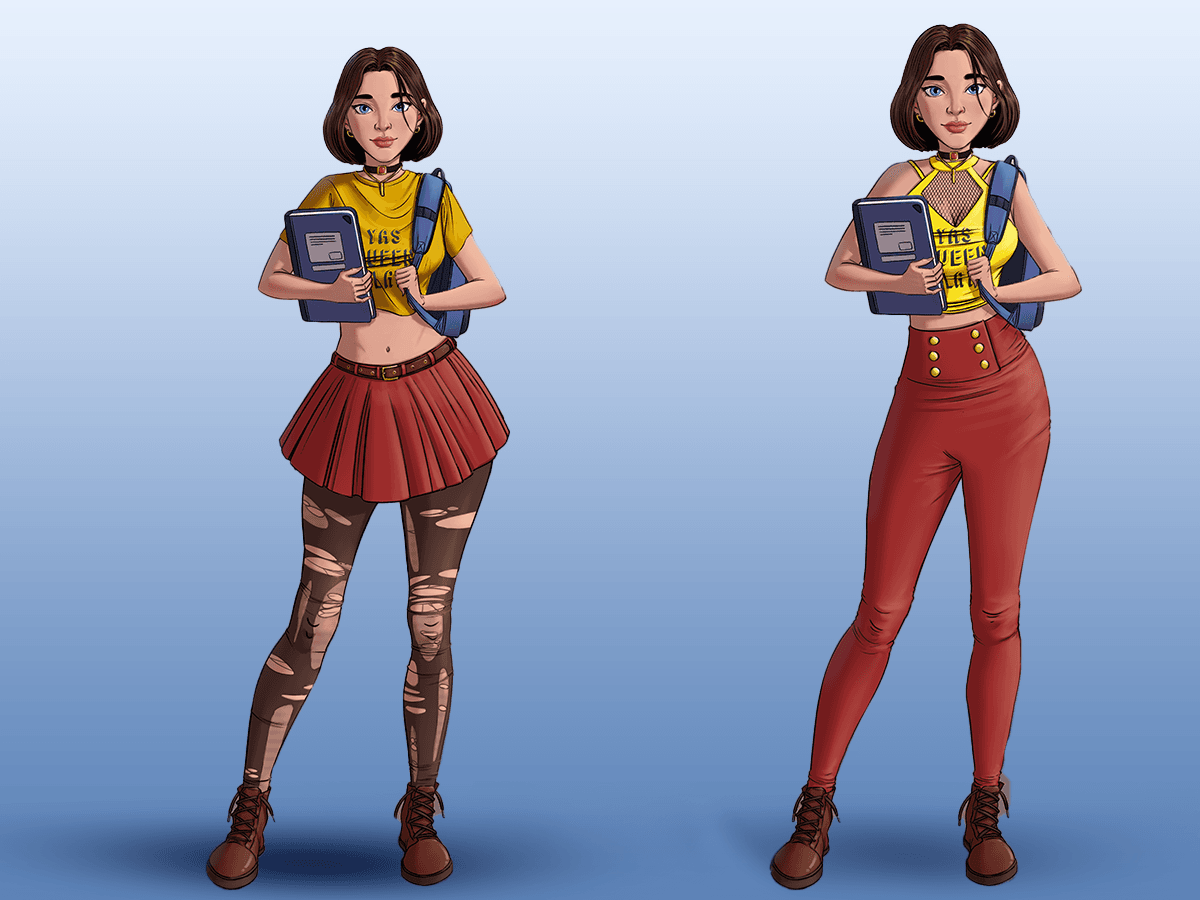
Every one of our artists communicates in a remarkable visual language. They can offer you the broadness of their viewpoint and experience. We can assist you with tracking down the language that recounts your story.
Animatics
Our Glorious Numbers

Let’s get your project started!
If you want your pitch, presentation, or test materials to be the clearest, best expression of your ideas, come say hi.
What Storyboard is all about
A storyboard is a visual portrayal or grouping of representations, pictures, or drawings organized in sequential request. It fills in as a pre-perception device utilized in different imaginative fields, for example, filmmaking, movement, promoting, and sight and sound creation, to frame the vital scenes or components of a venture. Storyboards assist with outlining the account, pacing, and visual arts, supporting the preparation and correspondence of thoughts among colleagues.
In the realm of filmmaking, storyboards become a cinematic blueprint, providing a roadmap for each scene, composition, camera angles, and character placement. Animation relies heavily on storyboards to depict the progression of frames, ensuring smooth and coherent motion. In advertising, storyboards visualize the progression of a campaign, aiding in the alignment of visuals with the intended message.
This visual narrative planning tool facilitates efficient communication among team members, fostering a shared understanding of the project’s creative direction. It allows directors, animators, marketers, and other collaborators to synthesize ideas, refine concepts, and ensure cohesive storytelling. The storyboard’s sequential layout is instrumental in gauging the flow of the narrative, identifying potential gaps or pacing issues, and refining visual elements for maximum impact.
Ultimately, storyboards serve as a collaborative canvas, where the fusion of imagination and practicality occurs. They streamline the creative process, enhancing teamwork, and ensuring that the final product seamlessly aligns with the envisioned narrative, making it an indispensable asset across diverse creative disciplines.